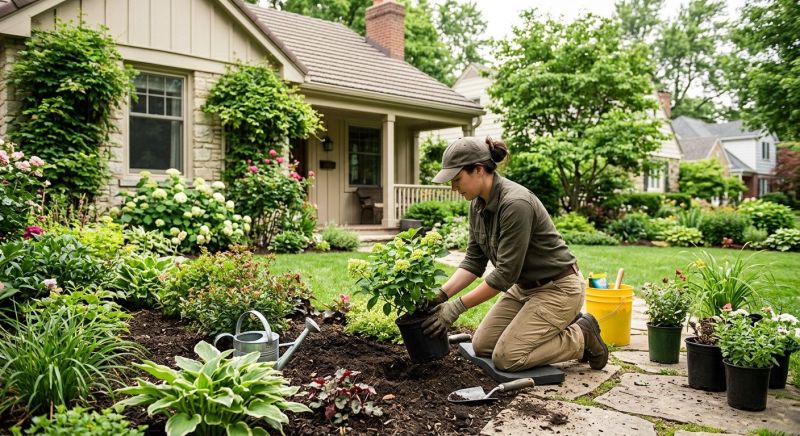
Ground Cover Planting in Honolulu, HI
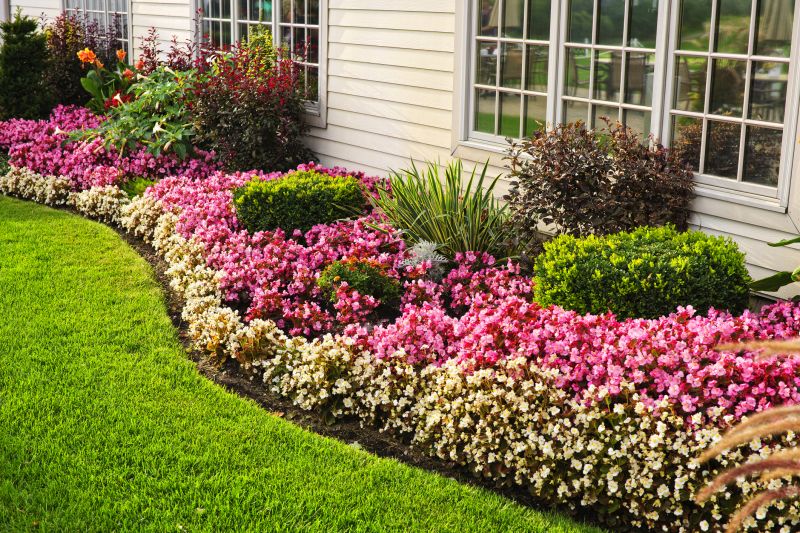
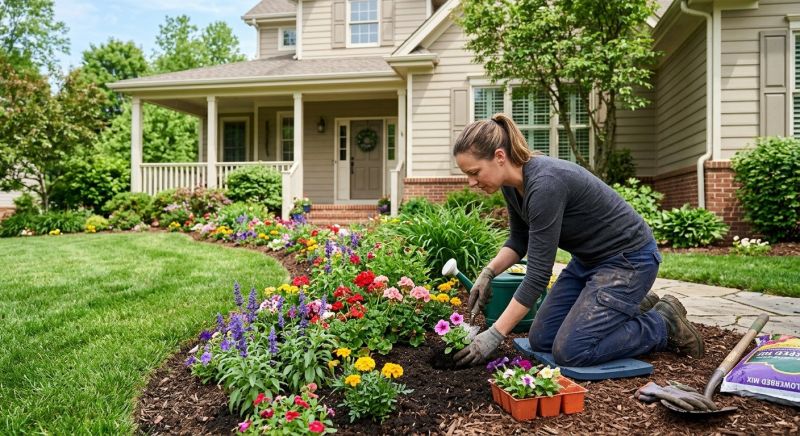
Ground cover planting services involve establishing low-growing plants across areas of a property to create a durable, attractive ground layer. These services often cover projects such as filling in bare patches of lawn, controlling erosion on slopes, or adding visual interest to garden beds and pathways. Property owners typically want to understand the types of plants suitable for their specific climate and soil conditions, as well as the maintenance requirements and long-term appearance of the ground cover.
Before requesting ground cover planting, homeowners should consider the purpose of the area-whether for aesthetic appeal, weed suppression, or soil stabilization-and evaluate the existing landscape. It’s also helpful to understand the planting process, including site preparation, plant selection, and ongoing care needs. Clear information about these aspects can ensure the selected ground cover enhances the property's overall look and functionality.
Many property owners in Honolulu, HI look into Ground Cover Planting for repairs, replacements, upgrades, and appearance-related improvements.
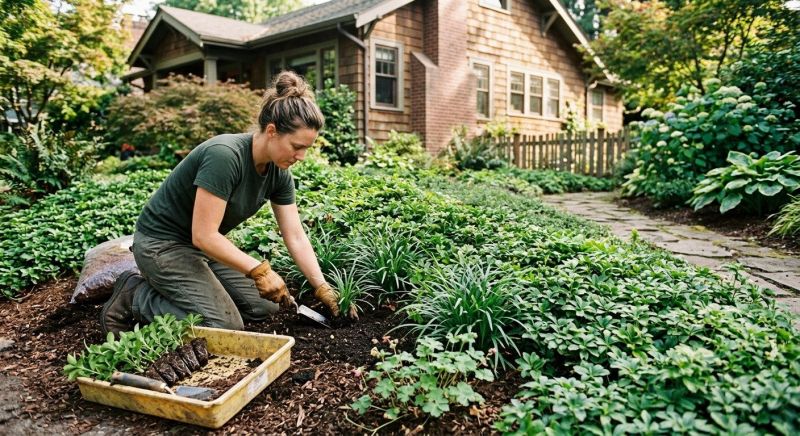
Ground Cover Planting Services
Examples of ground cover planting work property owners may explore in honolulu, hi.
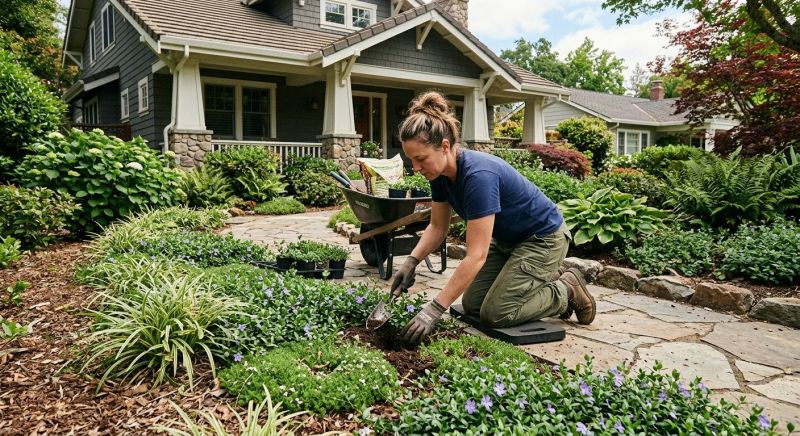
Ground Cover Planting Updates
Common ways people refresh, improve, or restore ground cover planting features in honolulu, hi.
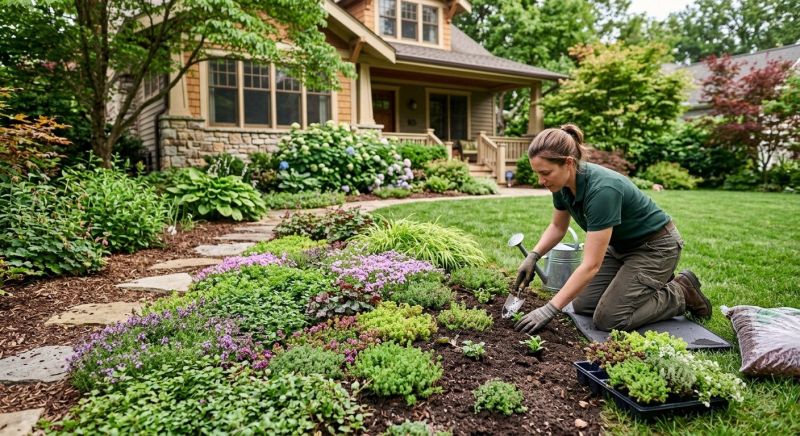
Ground Cover Planting Options
Different styles, layouts, and finishes people consider for ground cover planting in honolulu, hi.
Ground Cover Planting in Honolulu, HI

Ground cover planting services involve establishing low-growing plants across areas of a property to create a durable, attractive ground layer. These services often cover projects such as filling in bare patches of lawn, controlling erosion on slopes, or adding visual interest to garden beds and pathways. Property owners typically want to understand the types of plants suitable for their specific climate and soil conditions, as well as the maintenance requirements and long-term appearance of the ground cover.
Before requesting ground cover planting, homeowners should consider the purpose of the area-whether for aesthetic appeal, weed suppression, or soil stabilization-and evaluate the existing landscape. It’s also helpful to understand the planting process, including site preparation, plant selection, and ongoing care needs. Clear information about these aspects can ensure the selected ground cover enhances the property's overall look and functionality.
Many property owners in Honolulu, HI look into Ground Cover Planting for repairs, replacements, upgrades, and appearance-related improvements.
Common Ground Cover Planting Jobs
Ground Cover Planting Services - helps create a low-maintenance, attractive ground layer for outdoor spaces.
Landscape Ground Cover Installation - provides options for preventing erosion and reducing weed growth.
Native Ground Cover Planting - enhances natural landscape features and supports local plant diversity.
Shade Ground Cover Solutions - offers ground cover options that thrive in shaded areas and under trees.
Drought-Resistant Ground Cover - reduces water usage while maintaining a lush appearance.
Erosion Control Ground Cover - stabilizes slopes and prevents soil loss on uneven or hilly terrain.

Ground Cover Planting Questions
What are ground cover plants used for? They are used to reduce soil erosion, suppress weeds, and create a low-maintenance, attractive ground layer in landscaping projects.
Which types of ground cover plants are suitable for shaded areas? Shade-tolerant options include creeping fig, periwinkle, and certain varieties of ivy and moss.
How do ground cover plants benefit a property? They help conserve moisture, minimize soil runoff, and add visual appeal to garden beds and landscape areas.
What should property owners consider before planting ground cover? Consider the soil type, sunlight exposure, and the plant’s growth habits to ensure proper selection and placement.
Request Ground Cover Planting in Honolulu, HI
Use the quote form on this page to share the basics of your project and request more information for the type of work you need.